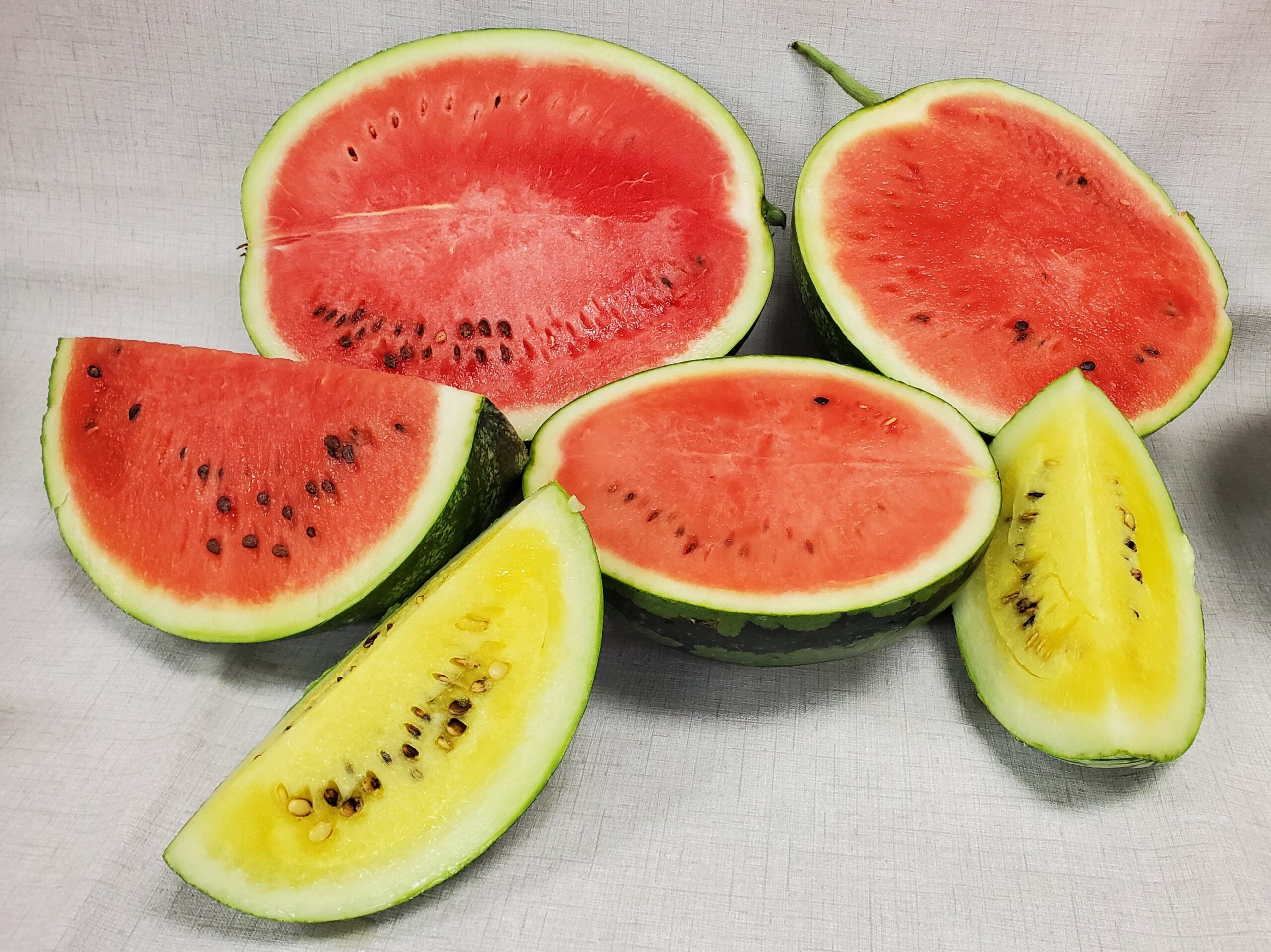
Have you ever wondered why eating seasonal fruits and vegetables is such a big deal? You’ve seen cherry tomatoes in the grocery store available in the dead of winter, and watermelons at the start of spring. But the truth is, that depending on your location, some produce just is not meant to be available year-round. And there is a reason for that.
The Benefits of Seasonal Eating
Nature is perfectly and delicately balanced. And seasonal changes are a large part of maintaining this equilibrium. The natural world thrives on these seasonal changes, and so does our food system. Each fruit and vegetable has its own growing season, with its own niche to fill. Eating seasonal food is beneficial for so many reasons. By embracing the seasonality of our food, we better align ourselves with the natural rhythms of the earth, and nature’s wisdom.
Health Benefits
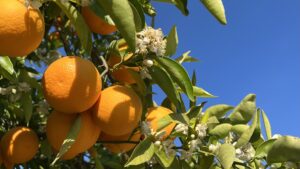
In-season fruits and vegetables are packed with essential vitamins and minerals that your body needs for that season. Is it a coincidence that your body craves exactly what is in season? For example, citrus is ripe in the winter months and is full of vitamin C. Vitamin C is a vital nutrient for protecting the body from the cold and flu, which is most spread during the winter. Or consider butternut squash. These fruits are harvested in the fall and can be stored for eating all through the winter. They have a high starch content, which is convenient for storing energy through the leaner, cold winter months. Now consider berries. These fruits are high in antioxidants and vitamins C and K. Eating berries in the summer can actually help protect your skin from harmful UV rays. The Native American Oneida tribe knew the secrets of seasonal eating too, consuming large quantities of alliums, or onion varieties, during the summer months to keep away insects. Seasonal eating has been practiced for thousands of years.
When crops are in-season and picked fully ripe, they give your body exactly what it needs. They have more vitamins and nutritional value, which also conveniently makes them a whole lot tastier.
Flavor and Quality
Eating seasonal food is far more nutritious and tastier than food that is consumed out of season.
When you consume seasonal food, you are consuming produce that is at its peak ripeness. While in-season crops are harvested when they are ripe, out of season fruits are harvested early to increase that produce’s shelf life, and to make transportation to grocery stores easier. Commercial growers will typically harvest their out-of-season produce early and must then ripen that harvest artificially, with the help of ethylene gas.
Ethylene is a natural hormone that a plant produces as its fruit is maturing, which causes the fruit to ripen. Ethylene is an important piece of the modern food system, providing a year-round availability of many plants, but often at the cost of taste and nutritional value. Artificial ripening can lead to uneven ripening and a less desirable flavor. Naturally ripened fruits simply taste better. Eating seasonally does more than nourish your body though, you are also nourishing your community.
Supporting Local
Buying seasonal produce supports your local farmers and can actually support sustainable agricultural practices. Without the need for the middleman like a large distributor, you can make sure that you are directly supporting the farmers growing your food. Supporting your local farms also means a lesser environmental impact, as the cost for refrigeration, transportation, packaging, and storage of the produce is removed. Local farms often do not use as many pesticides or fertilizers too. This can even save you, the customer, money. Seasonal produce is typically available at farmers markets, or you can consider buying directly from local farms. Many farms even have “You-Pick” options, where you can do your own vine-ripened produce harvesting.
Why Eat Seasonally?
Local produce that tastes better, is better for you, and supports local farming communities? It’s a no brainer – a win-win-win situation. Eating seasonal fruits and vegetables provides your body with exactly what it needs at exactly the right time. For thousands of years, humans ate what food was seasonally available – finding seasonal fruits and vegetables and metabolizing them to fat for winter storage. While modern conveniences have changed how we access food, there is still so much that we can learn and benefit from seasonal eating.